
Clear Aligner Treatment in KuşadasıDigital scanning, custom aligner series and supervised orthodontic follow-up
Clear aligners in Kuşadası. At Adaport Dental Clinic, clear aligner treatment gradually changes tooth positions with a series of removable, transparent orthodontic appliances. Our assessment in Kuşadası considers not only the appearance of the front teeth but also crowding, bite, gum health, existing restorations, daily wear and the need for retainers after treatment. The focus is therefore on controlled tooth movement and long-term stability, rather than simply the idea of an invisible appliance.

What is clear aligner treatment and how does it move teeth?
Clear aligners are custom orthodontic appliances that apply controlled forces to teeth. Treatment does not end with a single aligner: successive sets follow the movements specified in the digital plan, and progress is monitored at clinical appointments.
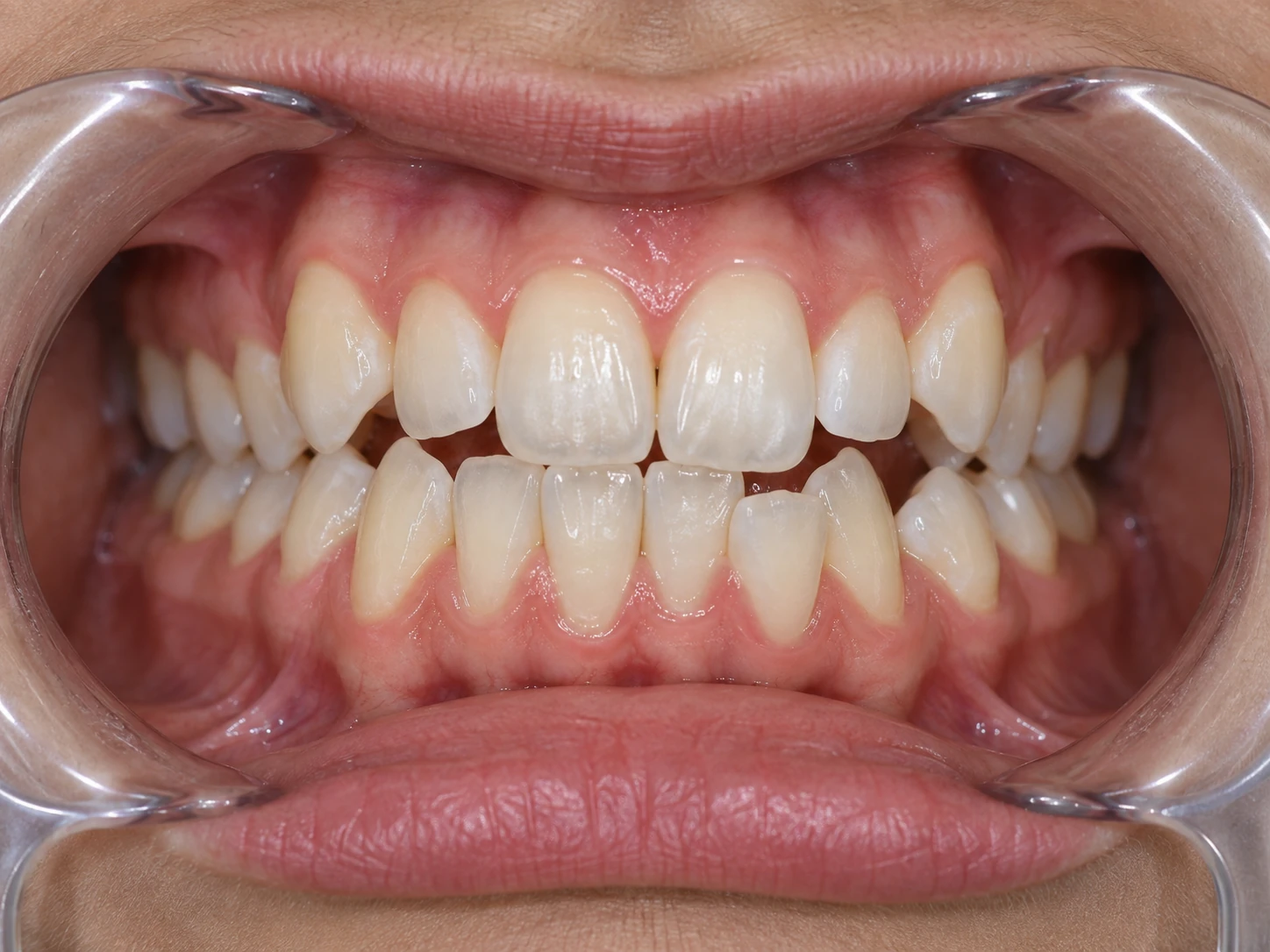
The first stage includes an oral examination, bite analysis and digital scanning. Crowding, gaps, tooth rotations and the relationship between upper and lower teeth are assessed. In suitable cases, the planned movements are defined digitally. More complex skeletal or serious bite problems may require a different orthodontic approach, as aligners alone may not be sufficient.
Removable aligners are convenient in everyday life, but this also makes patient adherence essential. Insufficient wear, frequent long periods without the aligners or missed check-ups can delay planned movements. Daily wear habits should therefore be discussed from the outset, alongside the treatment plan.

Orthodontic treatment decisions are not based solely on the appearance of the front teeth.
Crowding, gaps, bite, gum health, the condition of roots and supporting tissues, existing restorations and treatment adherence are assessed together.
Mild to moderate crowding
Space creation and alignment can be planned in suitable cases of overlapping front or back teeth.
Gaps between teeth
Diastemas or several small gaps can sometimes be closed using clear aligners.
Rotated teeth
Gradual correction may be planned if the degree of rotation and root position are suitable.
Relapse
Patients whose teeth have shifted again after previous braces or aligner treatment and retention can be assessed.
Aesthetic concerns
It may offer a less noticeable option for adults who prefer not to wear visible fixed brackets.
Bite problems
Some mild to moderate bite issues can be managed with aligners; more complex cases may require other treatment.
An effective clear aligner plan has three essential components.
Digital records, the appropriate aligner series and clinical follow-up are not interchangeable. On-screen simulation is a planning tool; the biological response to actual tooth movement is assessed at check-ups.

Detailed record of initial tooth positions
Current alignment is recorded through intraoral scanning and clinical assessment; planned movements are tailored to the case.
Each aligner represents a small movement stage
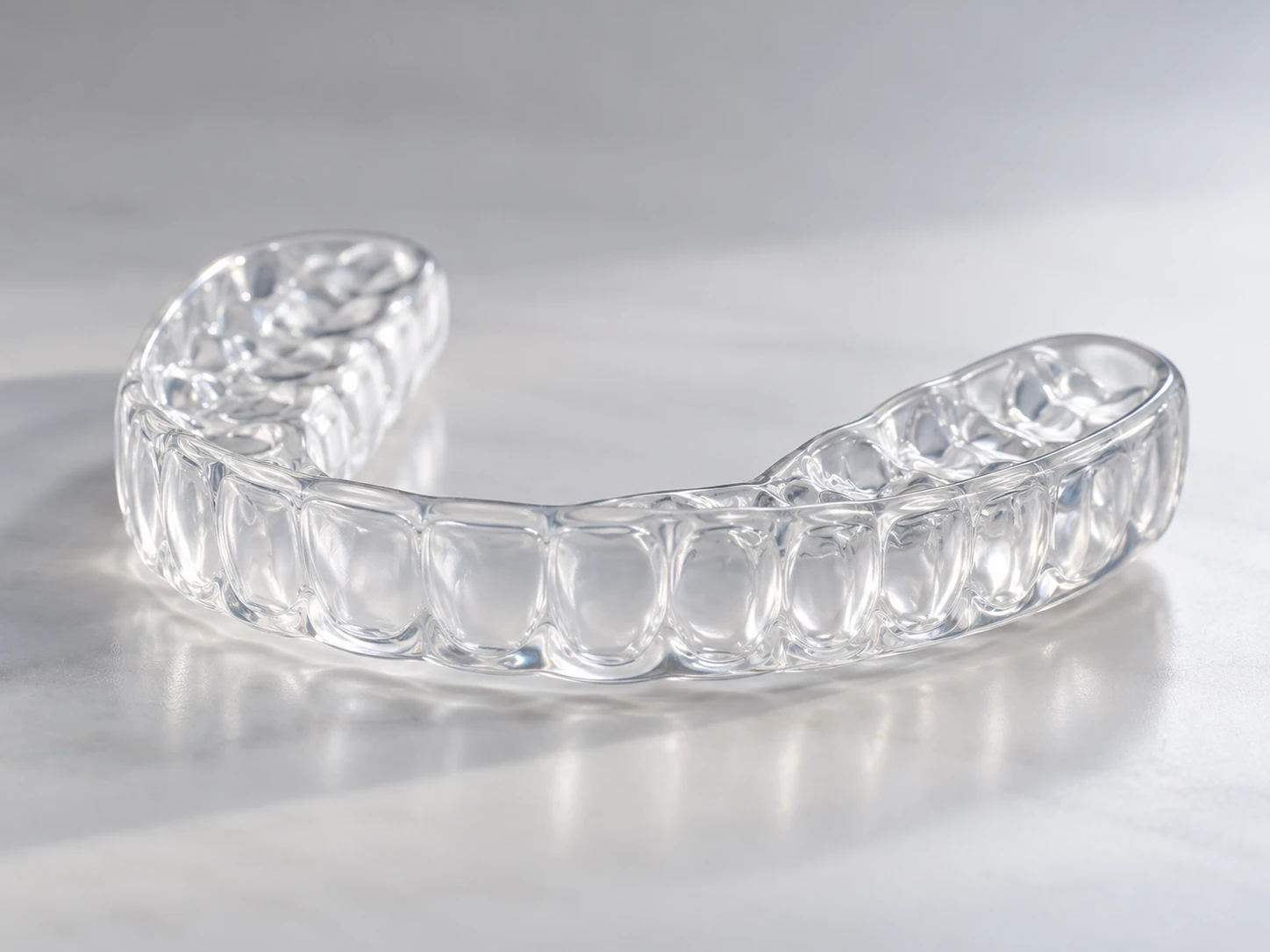
Multiple aligners are used throughout treatment. The change interval and total number are determined by the individual plan.

Stability matters as much as movement
Progress is monitored during treatment. Once active movement ends, a retainer plan is considered to maintain the new tooth positions.

Removability is an advantage, but regular wear is essential.
For treatment to progress as planned, aligners must be worn for most of the day. Removing them for meals, reinserting them after cleaning the teeth and keeping them in their case to avoid loss are part of the daily routine. Night-only wear is insufficient for most active orthodontic aligners.
Mild pressure, small speech changes or increased saliva may occur in the first few days. Most patients adapt to wearing aligners after a short period. If an edge causes irritation, the aligner does not fit or pain is greater than expected, contacting the clinic is safer than trimming it yourself.
How long does clear aligner treatment take?
Treatment duration varies. Initial tooth positions, the amount of movement required, bite problems, the total number of aligners and adherence to wear directly affect the duration.
Cases requiring limited alignment may take less time, while multiple rotations, the need to gain arch space or bite correction require longer follow-up. Additional scans and aligner series may be needed during treatment. This does not automatically indicate failure: the plan is updated to reflect the actual clinical response. Fast results seen on social media are not a reliable basis for comparing duration.


Clear aligners or conventional braces?
Both methods can be used for orthodontic tooth movement. The choice should not be made solely on appearance. Case complexity, required movements, age, oral hygiene, wear adherence and clinical follow-up needs are decisive.
Clear aligners may offer benefits in removability, ease of cleaning and discretion. Fixed appliances remain in the mouth, so patients do not need to insert or remove them, and may be more suitable for certain complex movements. Which is better depends on the individual and the problem.
Removable for meals and cleaning; regular wear is the patient’s responsibility.
Brackets and wires are fixed to the teeth; different movements can be planned according to the case.
What can happen during the first week with aligners?
Mild pressure or tightness may be expected when a new aligner is inserted. This is a temporary adaptation sign suggesting that the aligner is applying force. Sharp, severe or increasing pain should not be considered normal and may require clinical assessment.
Speech may change briefly in the first few days because the aligner creates a new surface in the mouth and temporarily changes tongue contact. Most people adapt within a few days. Regular wear, learning how to insert and remove the aligner correctly and establishing a hygiene routine are important during the first week.
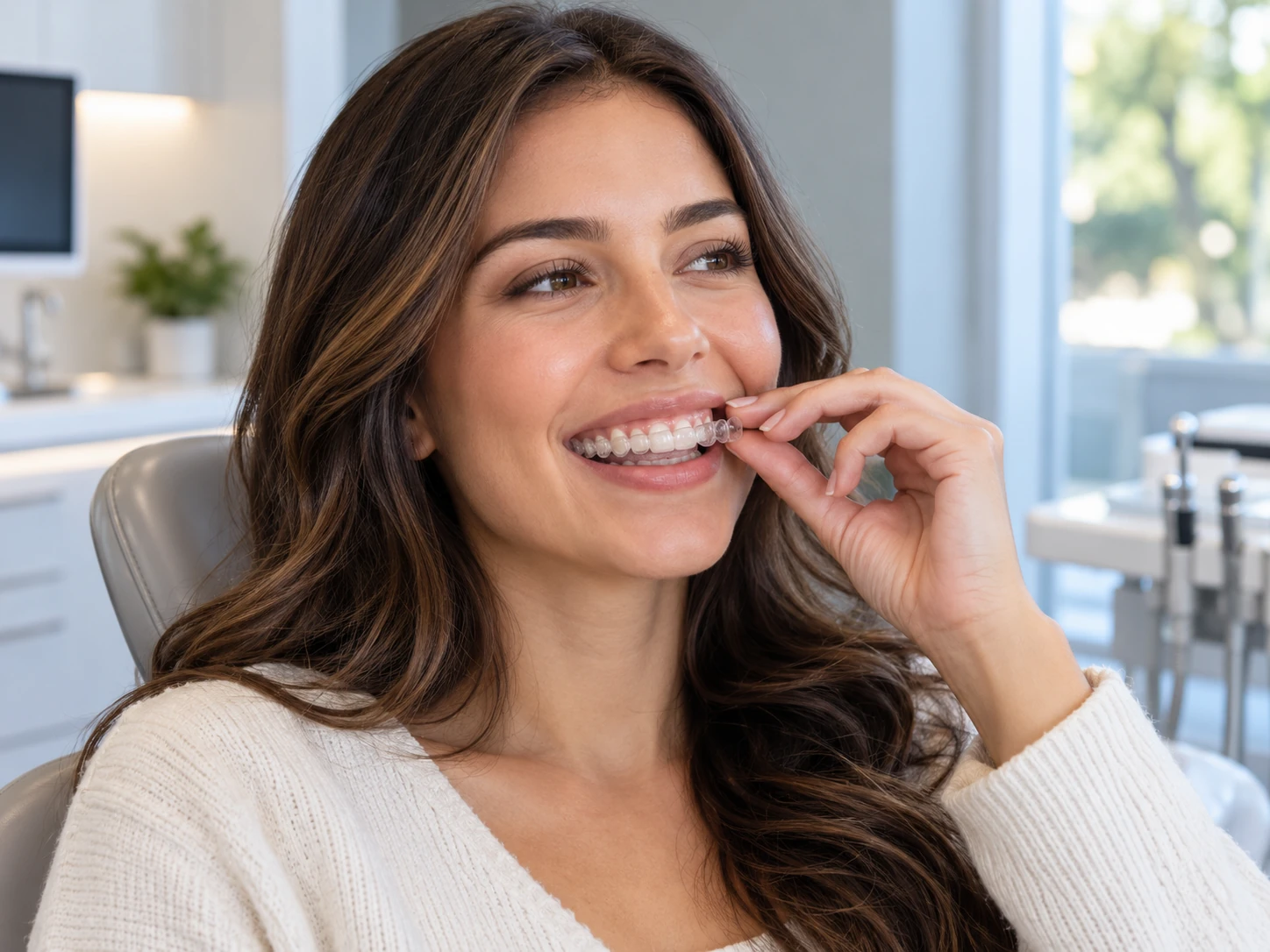
Clear aligner treatment process in Kuşadası
Treatment extends from examination and records to active aligner wear, check-ups and retention planning. It does not end when the first aligners are delivered.

Teeth, gums, crowding, bite, previous restorations and patient goals are assessed.
A three-dimensional record is taken of the teeth; arches and current tooth positions are recorded digitally.
Target movements are planned; a suitable aligner system and any necessary adjunctive procedures are determined.
Insertion, removal, daily wear, meals and cleaning routines are explained; progress is monitored at appointments.
After active movement ends, the bite is checked and retention is planned to maintain new tooth positions.
How many hours a day should clear aligners be worn?
Active orthodontic aligners need regular, prolonged daily wear to be effective. They are expected to remain in the mouth except during meals and dental cleaning. Exact wear time is prescribed individually according to the system and clinical plan. Wearing them only while sleeping is insufficient for the planned tooth movements in most active aligner treatments.
Remove aligners when eating, avoid wearing them with hot drinks and reinsert them after cleaning the teeth. If they are often forgotten or left out for long periods, the next aligner may not fit properly. A check-up is advised rather than changing the sequence yourself.


Can crowded teeth always be corrected with clear aligners?
Many cases of mild or moderate crowding may be suitable for aligners, but crowding varies. Root position, available arch space, required rotation, bite and periodontal support determine treatment limits.
Space requirements may be managed in some cases by adjusting arch form, limited interproximal reduction or other adjunctive procedures. Severe skeletal abnormalities, significant bite problems or movements that are difficult to control may be better treated with fixed orthodontics or other options. A front-facing photo alone is therefore insufficient to determine the method.
Cleaning clear aligners should be part of daily oral care.
After removal, aligners can be cleaned with lukewarm or cool water. Very hot water is not recommended because it can distort the material. Brushing before reinsertion reduces the time food residue remains beneath the aligner.
Reinserting aligners without cleaning the teeth can increase biofilm and food accumulation beneath them.
Avoiding abrasive methods helps maintain transparency and surface quality.
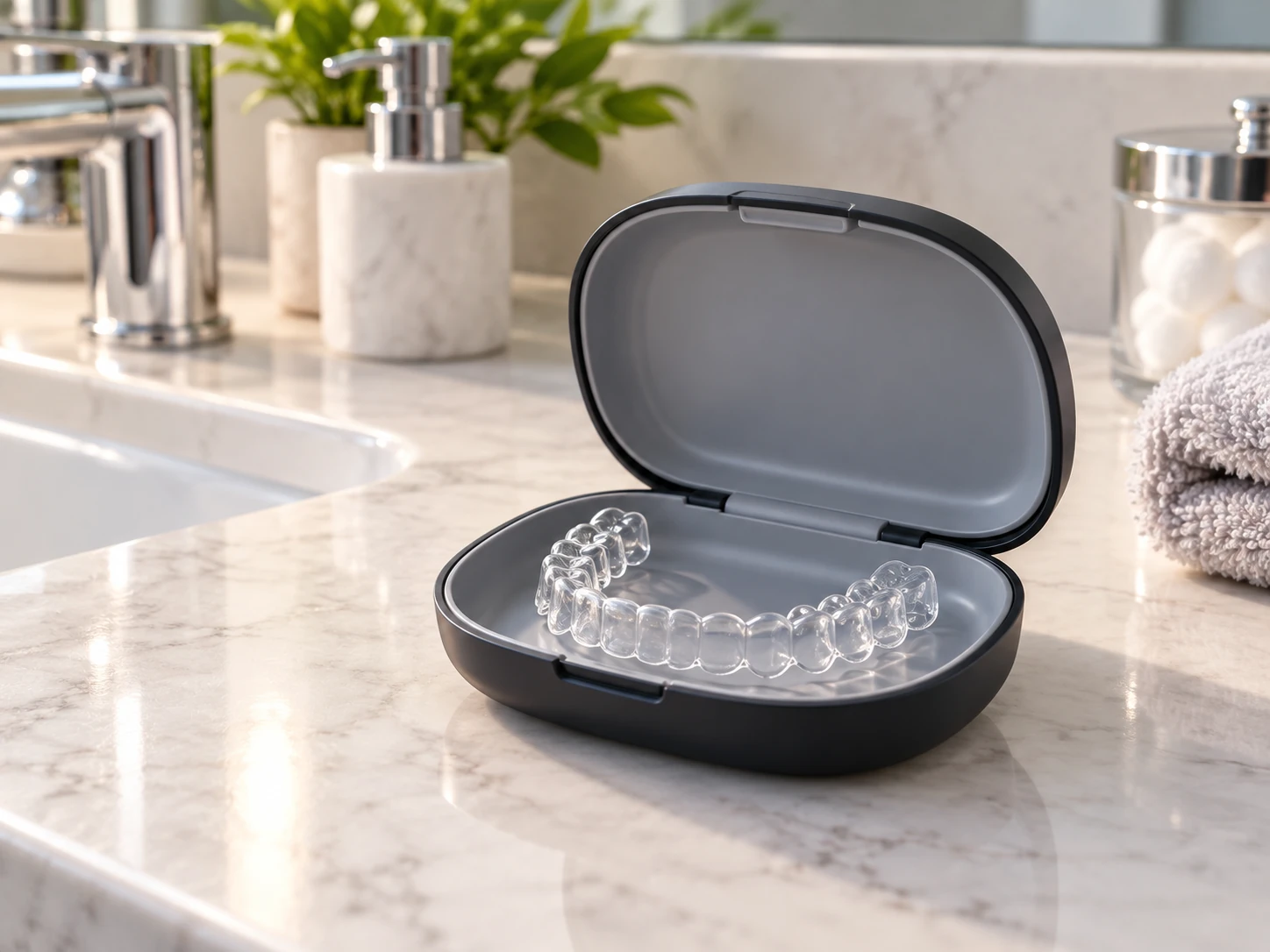
Keeping the aligner in its clean case rather than wrapping it in a napkin reduces the risk of loss.

Clear aligners may be discreet, but treatment is still active orthodontics.
The aesthetics and removability of aligners do not make treatment effortless. Correct wear, oral hygiene, check-ups and post-treatment retention planning are important to the clinical outcome.

Removable, digitally planned approach
May offer aesthetic and hygiene advantages in suitable cases; regular daily wear is necessary. Explore clear aligner treatment →

Method selection according to case requirements
Clear aligners, fixed brackets or other orthodontic approaches are considered according to the movements needed. Explore the orthodontics page for Kuşadası →
How is clear aligner treatment monitored in Kuşadası?
Clear aligner treatment requires periodic follow-up rather than a one-off visit. For residents of Kuşadası, check-ups may be scheduled according to aligner progress and clinical needs. For patients living elsewhere, travel frequency and digital communication options, where necessary, should be discussed at the start.
Digital scans and clinical records are obtained at the initial assessment. When the aligners are ready, they are delivered with wear instructions. At subsequent check-ups, fit, planned movements, oral tissue health and bite are assessed. Patients visiting Kuşadası briefly should particularly consider the need for long-term follow-up.
An initial assessment can be carried out in Kuşadası in suitable cases. Photos provide preliminary information; the definitive plan is based on clinical examination and digital records.
Meet the team planning your clear aligner treatment

Dr Mehmet Köse, Prosthodontist
Digital assessment, bite analysis, compatibility of restorative needs with aligner planning and post-treatment stability assessment.

Dentist Fatma Köse
Clinical examination, oral health checks, hygiene assessment and coordination of routine follow-up during treatment.
Guides for patients planning orthodontic treatment in Kuşadası
Separate guides cover suitability, duration, comparison with braces, the Invisalign concept and retainers after treatment.

Who is suitable for clear aligners?
Learn how crowding, gaps, bite and adherence affect aligner planning.
Read the guide →

How long does clear aligner treatment take?
Consider treatment duration in relation to case complexity, aligner count, daily wear and check-ups.
Read the guide →

Clear aligners or braces?
Read about differences in visibility, hygiene, adherence and case suitability.
Read the guide →

Are Invisalign and clear aligners the same?
Understand the difference between the Invisalign brand and clear aligner treatment in general.
Read the guide →

Is a retainer needed after clear aligners?
Learn the role of retainers in maintaining new tooth positions after active orthodontic movement.
Read the guide →
Invisalign in Kuşadası
Explore the differences between the Invisalign brand and clear aligner treatment in general, and clinical suitability.
Read the guide →
Frequently asked questions about clear aligner treatment in Kuşadası
What is clear aligner treatment?
Treatment with a series of removable, custom transparent orthodontic appliances that gradually move teeth.
Who is suitable for clear aligners?
Many patients with mild to moderate crowding, gaps or certain bite problems may be assessed. Definitive suitability is determined by examination and bite analysis.
How many hours a day should clear aligners be worn?
Active aligners are worn most of the day and removed for meals and oral care. Exact wear time depends on the system and individual plan.
Should clear aligners be removed when eating?
Generally, yes. Remove them for meals and reinsert them after cleaning the teeth.
Do clear aligners affect speech?
Some people experience mild, temporary pronunciation changes during the first few days; most adapt quickly.
Can crowded teeth be corrected with aligners?
Yes, in many suitable cases. Severe crowding, significant bite problems or skeletal abnormalities may require different treatment.
How long does clear aligner treatment take?
Duration depends on case complexity, aligner count, wear routine and need for additional corrections; there is no single standard duration.
Do clear aligners cause pain?
New aligners may cause short-lived pressure or sensitivity. Severe or persistent pain should be assessed.
How are clear aligners cleaned?
Clean aligners regularly and gently; avoid hot water and abrasive methods that could scratch the surface.
Which is better, clear aligners or braces?
There is no single answer for every case. The choice depends on required tooth movements, case complexity and adherence.
Is a retainer needed after treatment?
In most cases, retention is planned after orthodontic treatment to maintain new tooth positions.
Is an initial clear aligner assessment possible in Kuşadası?
Yes. Photos can be shared for preliminary information; the definitive plan follows clinical examination, digital scanning and necessary radiographic assessments.

Let’s assess whether clear aligner treatment is suitable for you
Send photos of your teeth or arrange an examination at our clinic in Kuşadası. We can discuss an appropriate orthodontic approach after assessing crowding, bite, daily wear expectations and retention.