

When Does Masseter Botox Take Effect?
When does masseter Botox start working? The effect does not begin at the moment of injection. It takes time for botulinum toxin to reduce neuromuscular transmission. Initial changes may be noticeable within a few days, while more pronounced muscle relaxation and functional changes generally appear later. The rate varies between patients.
How many days does it take for masseter Botox to start working?
Most patients may start to notice initial effects within a few days. However, more pronounced functional changes in a strong muscle such as the masseter may take longer.
Clenching sensation may therefore remain unchanged during the first 24–48 hours after treatment. Gradual changes in muscle strength and jaw fatigue can be assessed over subsequent days.
It is not appropriate to seek an additional dose early because the effect seems slow to start. The clinician should decide when to review the response and whether further treatment is necessary.
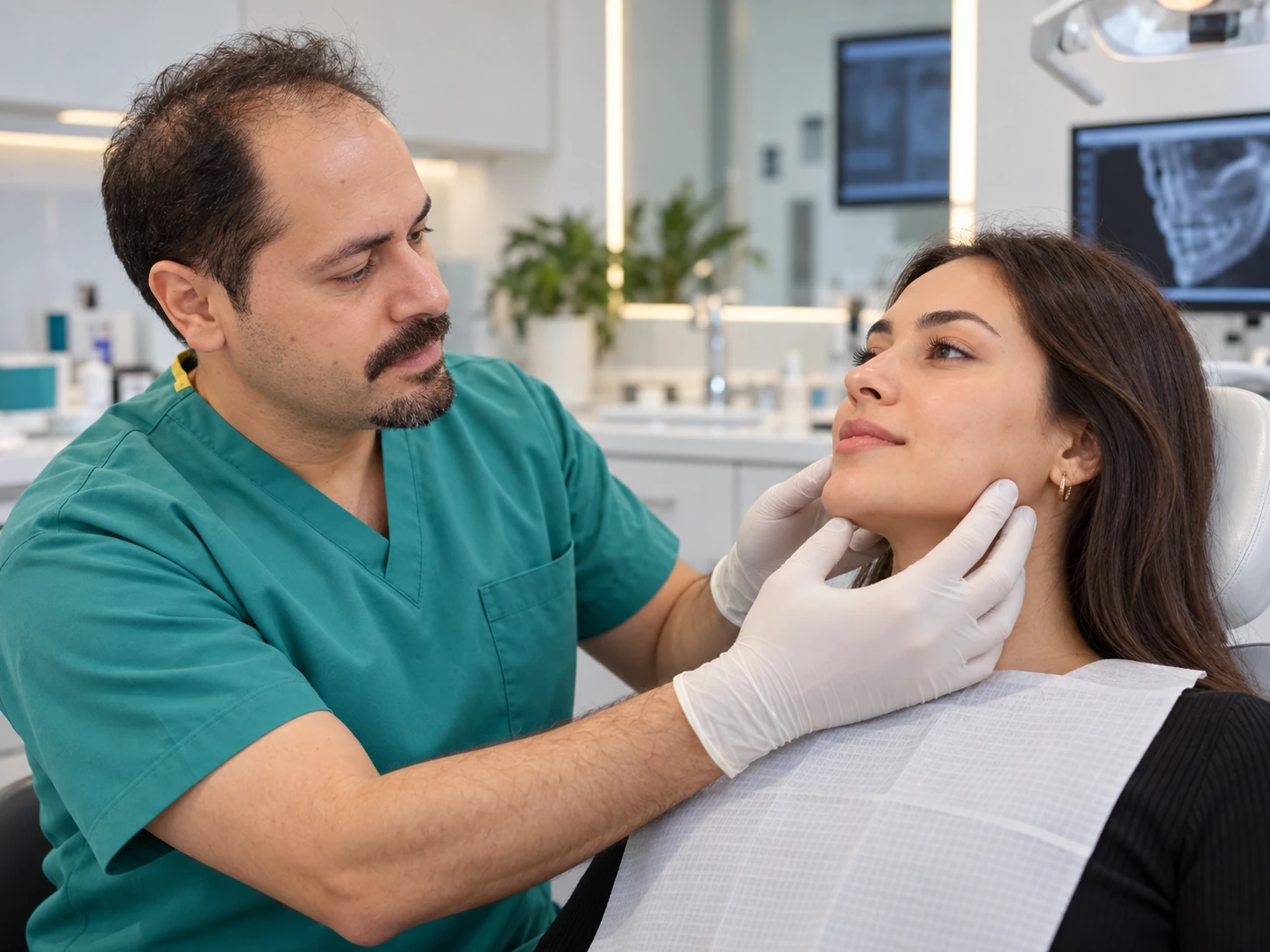
6 factors that may affect onset of effect
The clinical effect of botulinum toxin may be noticed at different rates depending on individual muscle structure and the treatment plan.
Muscle volume
Changes may be experienced differently in stronger masseter muscles.
Treatment plan
Dose and distribution are determined according to the clinical goal.
Level of bruxism
Frequent forceful clenching may affect symptom perception.
Individual response
Neuromuscular response varies between individuals.
Previous treatments
Previous Botox treatment may affect how the response is perceived.
Expectations
Aesthetic slimming and functional relief may not appear at the same time.
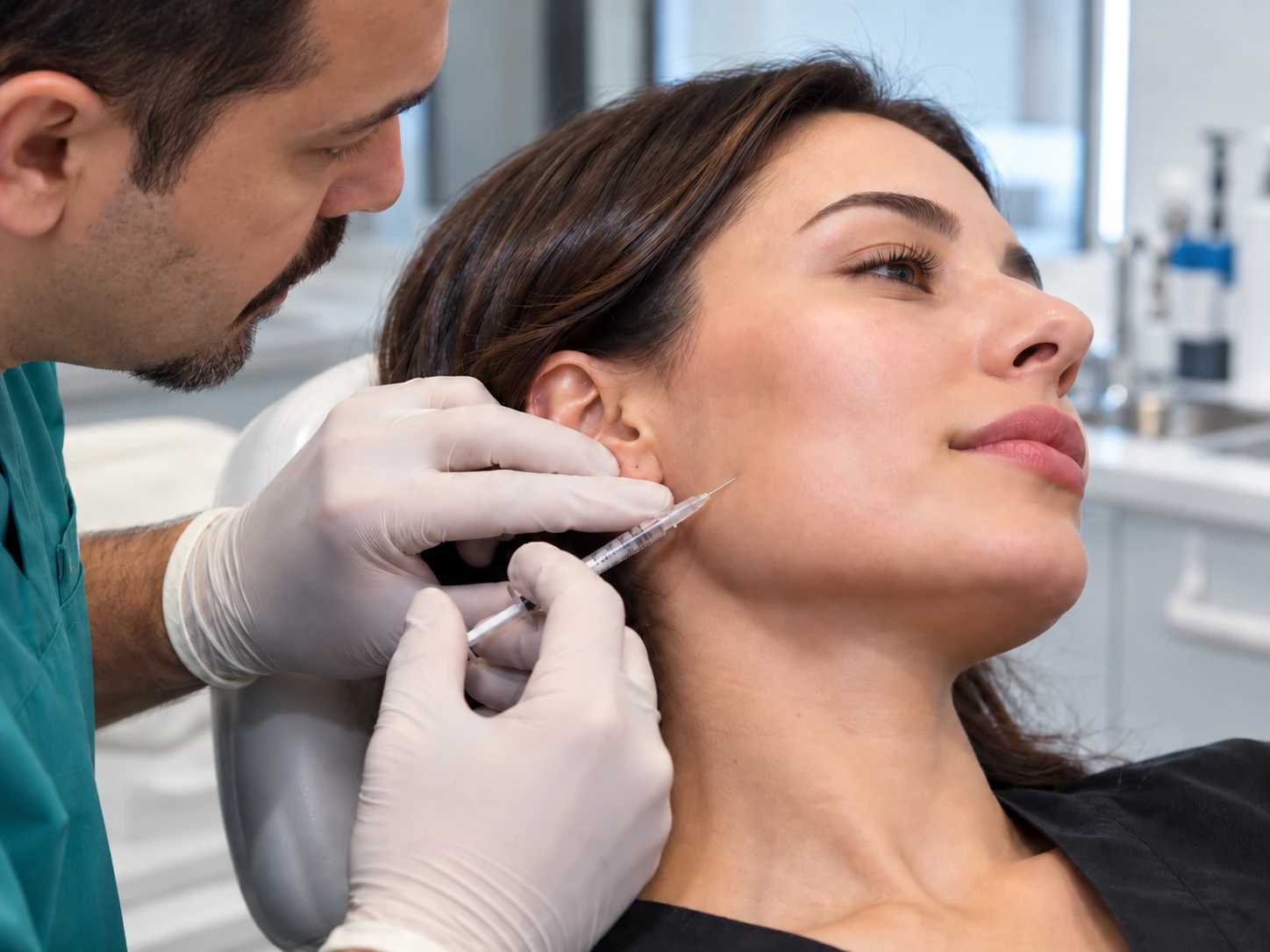
What can be expected immediately after treatment?
In the first hours, mild tenderness or small spots of redness may appear at injection sites. A noticeable change in muscle strength may not occur immediately.
Judging the result on the first day may be misleading. As changes in masseter activity develop gradually, follow-up is generally more meaningful at a later date.

When does muscle relaxation become more noticeable?
Initial changes may begin within a few days; most patients may notice a more pronounced effect over the following one or two weeks. This varies individually.
For bruxism symptoms, the aim is to reduce excessive activity in the jaw muscle. Visible changes in facial contour may be noticed later as muscle volume gradually decreases.

Why is follow-up after masseter Botox important?
At follow-up, right and left muscle activity, clenching sensation and jaw fatigue are assessed. If there is early asymmetry or a feeling of insufficient effect, it may be necessary to allow time for the effect to develop rather than immediately giving additional treatment.
Follow-up also offers an opportunity to discuss whether night guard use should continue. Protecting the teeth is independent of the Botox effect.
The result of masseter Botox should be assessed over a period of time, not on a single day.
When planning treatment in Kuşadası, we explain what patients may expect on the first day, during the first week and at subsequent follow-up.

Do functional effects and facial slimming occur at the same time?
No. Reduced neural activation of the muscle may begin first, while slimming of the facial contour may occur more slowly as muscle volume decreases. The aesthetic goal should therefore be distinguished from the goal of relieving bruxism symptoms.
When treating bruxism, success should not be assessed solely by facial shape. Morning jaw fatigue, clenching sensation and masseter activity are also monitored.
For patients staying briefly in Kuşadası, assessment is preferably performed before treatment, since bruxism management may involve more than one procedure. Active decay, cracks or restoration problems are planned for treatment first.
Long-term follow-up aims not just to reduce current symptoms but to preserve tooth tissue and existing restorations. Check-ups, the condition of the night guard and new dental procedures are therefore part of the plan.
Because masseter Botox takes effect through a gradual reduction in neuromuscular transmission, the treatment day and the final assessment day are not the same. Mild tenderness at injection sites may be felt during the first hours, whereas reduced muscle strength is noticed later. It is often normal to feel on the first day that nothing has changed.
Functional and aesthetic changes may not develop at the same rate. A patient treated for bruxism may feel reduced clenching strength before facial slimming becomes apparent. Visible changes in muscle volume can take longer. The treatment goal is therefore clarified from the outset and follow-up is tailored accordingly.
The purpose of early follow-up is not always to give an additional dose. Right and left masseter activity, jaw fatigue and any unwanted symptoms are assessed. If the effect is still developing, waiting before further treatment may be more appropriate. Unnecessary early intervention may increase the risk of asymmetry or excessive muscle weakness.
If tooth wear or the need to protect restorations is present, night guard use should continue independently of masseter Botox. The onset of Botox’s effect does not mean that clenching has completely stopped. Mechanical protection is therefore assessed separately, particularly in patients with new veneers, crowns or implant-supported restorations.
After treatment in Kuşadası, the expected timeline and follow-up timing are explained. This helps reduce anxiety about results in the first days and allows sufficient time for the clinical response to develop. Unexpected symptoms such as widespread muscle weakness, difficulty swallowing or speaking require medical assessment without waiting for the routine follow-up date.
When planning bruxism assessment in Kuşadası, previous dental treatment and long-term protection needs are considered alongside current complaints. The ability to attend check-ups, travel duration and planned restorations can affect treatment selection. Photographs can provide preliminary information, but the final decision requires an intraoral examination and bite assessment.
Clinical follow-up aims to observe changes in symptoms and tooth surfaces over time, not declare a definitive result in one appointment. Later checks can be valuable particularly after starting a night guard, receiving masseter Botox or having extensive restorations. The plan can then be updated according to actual use, muscle activity and oral changes.
For an overview of clenching and treatment options, see our Bruxism / Teeth Grinding in Kuşadası main page. For appliances to protect teeth, see Night Guard in Kuşadası; for an approach targeting muscle activity, see Masseter Botox in Kuşadası .
First few days
There may be no noticeable change.
1–2 weeks
Functional effects may become more noticeable.
Later stage
Aesthetic changes in muscle volume may be noticed later.
Guaranteeing an exact day is inappropriate; clinical follow-up and patience are important.
When should you contact the clinic in the early period?
Most patients go through the usual course without problems, but contact should be made if unexpected symptoms occur.
How do we follow up masseter Botox at Adaport Dental Clinic?
Before treatment, we assess masseter activity and the patient’s bruxism symptoms. We explain that the effect will not be immediate and that a final result should not be expected in the first days.
At follow-up, right and left masseter function, clenching strength and jaw fatigue are compared. The plan is updated later if necessary; unnecessary early additional treatment is avoided.
If tooth wear or a need to protect restorations is present, night guard use may continue separately.
Frequently asked questions about the onset of masseter Botox effects
Does masseter Botox work on the same day?
Usually not. The effect begins gradually.
How many days until I start to notice it?
Initial changes may be noticeable within a few days, but this varies individually.
When is the effect most noticeable?
In most patients it becomes more pronounced after the first weeks; the exact timing is individual.
When will facial slimming become visible?
Aesthetic changes in muscle volume may be noticeable later than the functional effect.
Is it normal that I am still clenching in the first week?
It can be. Clenching sensation may persist before the effect has fully developed.
When should I return for a check-up?
At the time recommended by the treating clinician; an additional dose should not be planned immediately in the early period.
What if the effect does not begin?
After an appropriate interval, a clinical assessment is performed and the plan reviewed.
Can I stop using my night guard?
If tooth protection is needed, night guard use may continue independently of Botox.
Does masseter Botox relieve pain immediately?
No. The cause of pain and muscle response vary between individuals.
Can I have my masseter Botox treatment reviewed in Kuşadası?
Yes. Muscle activity, symmetry and bruxism symptoms can be assessed at the clinic.
Other guides to teeth clenching, night guards and masseter Botox
Explore our other Kuşadası-focused guides to bruxism symptoms, tooth damage, night guard use and masseter treatments.

What Are the Symptoms of Teeth Clenching?
Explore our Kuşadası-focused clinical guide to bruxism, teeth clenching, night guards and jaw muscle management.
Read the guide →

Does Teeth Clenching Damage Teeth?
Explore our Kuşadası-focused clinical guide to bruxism, teeth clenching, night guards and jaw muscle management.
Read the guide →

What Causes Bruxism?
Explore our Kuşadası-focused clinical guide to bruxism, teeth clenching, night guards and jaw muscle management.
Read the guide →

Can Teeth Clenching Cause Jaw Pain and Headaches?
Explore our Kuşadası-focused clinical guide to bruxism, teeth clenching, night guards and jaw muscle management.
Read the guide →

What Does a Night Guard Do?
Explore our Kuşadası-focused clinical guide to bruxism, teeth clenching, night guards and jaw muscle management.
Read the guide →

How Long Should a Night Guard Be Worn?
Explore our Kuşadası-focused clinical guide to bruxism, teeth clenching, night guards and jaw muscle management.
Read the guide →

Let us assess your clenching and jaw muscle symptoms together
If you have tooth wear, morning jaw fatigue, recurrent fractures or suspected night-time grinding, your teeth, bite and jaw muscles can be assessed together during a clinical examination.